How prosthesis implantation affects penis size
Main
Penis length is preserved after prosthesis implantation surgery.
Loss of Penis Length after Phalloprosthetics:
Exploring the Topic in Detail.
Introduction Sometimes, patients raise concerns regarding the reduction in penis length following phalloprosthetics. These concerns are especially prevalent among individuals who are contemplating this surgery for themselves. In this article, we will delve into this topic to provide a comprehensive understanding of what actually occurs, when it happens, and why.

Pre-Procedure Considerations
Before undergoing phalloprosthetics, it is crucial to anticipate the possibility of a decrease in penis size. While it may be an understandable concern, it is important to note that this reduction is not a direct consequence of the prosthesis itself.
Penile MRI for Size Prediction
It is possible to predict the penis size that will be achieved after prosthesis implantation through the use of penile MRI. This imaging technique can provide valuable information to individuals considering this surgery, allowing them to have a clearer idea of the outcome they can expect.
Conclusion
The loss of penis length after phalloprosthetics is a valid concern for patients. However, research suggests that this reduction is not linked solely to the prosthesis, but rather occurs more frequently prior to the procedure. The utilization of penile MRI offers a valuable tool for predicting post-implantation size, assisting patients in making informed decisions regarding their surgery.
- Research Findings Upon reviewing scientific articles published between 2002 and 2012, it was found that a decrease in penis size can indeed occur. However, it is essential to note that this reduction is not attributed to prosthesis implantation. Instead, it more commonly occurs before the procedure and less frequently after.
- Research Findings Upon reviewing scientific articles published between 2002 and 2012, it was found that a decrease in penis size can indeed occur. However, it is essential to note that this reduction is not attributed to prosthesis implantation. Instead, it more commonly occurs before the procedure and less frequently after.
Objective and Subjective Causes of Penis Shrinkage
Objective Causes:
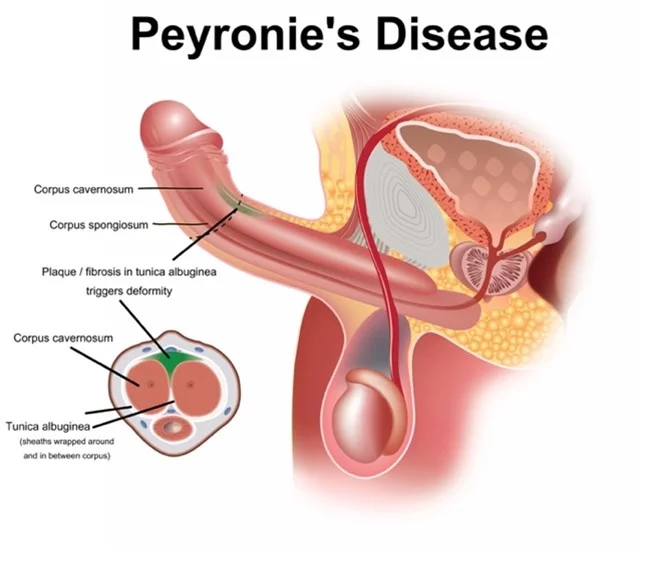
- Peyronie’s Disease: This condition involves the formation of fibrous scar tissue in the penis, resulting in curvature and potential length reduction.
- Circulatory Disorders:Prolonged erectile dysfunction (impotence), radical prostatectomy, loss of cavernous smooth muscle, and corporal fibrosis can contribute to decreased penis size.
- Loss of Swelling of the Glans:Issues with blood flow or vascular health can lead to reduced swelling of the glans, resulting in a perceived loss of size.
Subjective Causes:
- Overweight, Obesity, and Increased Fat Layer on the Pubic Area:The presence of excess fat around the pubic area can make the base of the penis appear smaller due to less visibility.
Understanding the Causes: It’s essential to differentiate between objective causes that lead to actual size reduction and subjective causes that impact perception. Identifying the specific cause of penis shrinkage can help determine appropriate treatment and manage expectations.
Peyronie’s disease
Peyronie’s disease is a pathological disorder affecting the connective tissue structure of the protein sheath surrounding the cavernous bodies of the penis. This condition results in the formation of dense, non-elastic plaques. As these plaques grow, they occupy more space within the penis, preventing it from straightening properly during erection. This can lead to changes in shape and a perceived loss of size.
Radical prostatectomy
While the reduction in penile length following radical prostatectomy can be attributed to impaired blood circulation, this case merits separate consideration. Prior to the surgery, the genital system is often affected by a chronic inflammatory process, and the recovery period post-operation is typically lengthy. Consequently, in these cases, the impaired blood circulation in the penis can persist for an extended period, often lasting years. Therefore, over 40% of men who undergo radical prostatectomy experience a decrease in penile size, primarily due to atrophy caused by insufficient blood supply.
Impaired penile circulation
The primary mechanism behind penile shortening in most cases is the impairment of blood circulation and tissue nutrition. Let’s explore this process in greater detail.
- Importance of Blood Flow and Tissue Nourishment: In a healthy individual, the penis receives multiple episodes of blood filling throughout the day, regardless of sexual activity. This includes nocturnal erections and potential incomplete erections during the day. These occurrences play a vital role in nourishing the penile tissues, exercising its muscles, and maintaining overall health. When regular blood supply is disrupted, such as in the case of erectile dysfunction, the penis undergoes atrophy.
- Understanding Atrophy and its Impact: Atrophy refers to the disruption of tissue nutrition, leading to the reduction in size of organs and tissues. It involves a lifelong reduction in cell function due to their underutilization. The main cause of penile length reduction commonly stems from atrophy caused by insufficient blood supply.
How to prevent penis size reduction
Before prosthesis implantation
- Implantation Timing and Size Preservation: The earlier a prosthesis is implanted, the less size reduction is typically experienced. Timely intervention can help minimize potential shrinkage.
- Using an Extender Device: An extender device can effectively aid in slowing down atrophy processes and compensating for size loss. To regain lost length, use the device for 3-4 hours daily over a period of 3-4 months before undergoing implantation surgery.
- Utilizing a Vacuum Pump: A vacuum pump can simulate, albeit incompletely, the processes that occur during erection. Incorporating this device into a treatment regimen may provide additional benefits.
- Considering the Role of Phosphodiesterase 5 Type Inhibitors: The regular use of phosphodiesterase 5 type inhibitors (PDE-5), such as Viagra or Sialeks, may have implications for penile health and size preservation. While this stage may seem distant from the actual operation, it should not be disregarded. Understanding the importance of taking erection pills during impotence treatment can provide valuable insights.
- Conclusion: To optimize outcomes in terms of size preservation and compensation for loss, it is crucial to consider factors such as implantation timing, the use of devices like an extender or vacuum pump, and the potential benefits of PDE-5 inhibitors. By incorporating these strategies, individuals can enhance their chances of achieving the desired results during phalloprosthetics.
During surgery
- Importance of the 3-Piece Prosthesis: One significant feature of the surgery lies in the use of a 3-piece prosthesis, which aids in preserving penis length even long after the procedure. Patient surveys consistently show greater satisfaction with size among individuals who opt for a 3-piece prosthesis. Its mechanism closely mimics natural processes, allowing the penis to have a state of rest and activation, akin to a natural erection.
- Preservation of Cavernous Bodies: During prosthesis implantation, it is crucial to preserve the cavernous bodies rather than removing them. This approach plays a vital role in preventing changes in penis size and maintaining optimal tissue health.
- Combining Prosthesis Implantation with Patch Treatment: For individuals with Peyronie’s disease, simultaneous implantation of a prosthesis and a patch on the damaged area of the penis shaft is possible. This combined approach helps restore the erect position of the penis and its actual length, addressing both functional and aesthetic concerns.
- Addressing Obesity-Related Pubic Fat: In cases where obesity contributes to excess fatty tissue in the pubic area, simultaneous removal of suprapubic fat can be performed during the implantation procedure.
- Conclusion: By leveraging surgical techniques such as the use of a 3-piece prosthesis, preservation of cavernous bodies, simultaneous implantation of a prosthesis and patch, and addressing obesity-related pubic fat, surgeons can enhance outcomes in terms of maintaining penis size, preventing atrophy, and achieving desired functional and aesthetic results.
After surgery
- Adhering to Doctor’s Recommendations: To prevent loss of length following phalloprosthetic surgery, it is crucial to diligently follow all of your doctor’s recommendations. These guidelines are specifically designed to optimize outcomes and preserve penile size. This may involve specific postoperative care instructions, regular prosthesis activations, and scheduled follow-up appointments.
- Importance of Postoperative Healing and Recovery: Once the postoperative wounds have fully healed and the recovery process is complete, it is essential to resume an active sex life. Engaging in regular sexual activity is key to maintaining healthy penile tissues and preserving penile length.
- Benefits of an Active Sex Life: An active sex life promotes healthy blood flow to the penis, which helps prevent atrophy and maintains penile health. Regular sexual activity exercises the penile muscles, supports tissue elasticity, and overall contributes to the long-term preservation of penile length.
- Additional Factors to Consider: In addition to following your doctor’s recommendations and engaging in an active sex life, it is crucial to maintain overall good health. This includes adopting a balanced diet, exercising regularly, managing stress, and avoiding habits detrimental to penile health (such as smoking or excessive alcohol consumption).
- Conclusion: By adhering to your doctor’s recommendations, ensuring proper postoperative healing, and having an active sex life, you can significantly contribute to preserving penile length and maintaining healthy penile tissues. By taking these steps, you are actively promoting the best possible outcomes following phalloprosthetic surgery.
Loss of swelling of the head
- The Role of the Prosthesis: The prosthesis plays a vital role in filling the internal space within the shaft of the penis. When activated, it causes the shaft to harden and swell, mimicking the natural process of an erection.
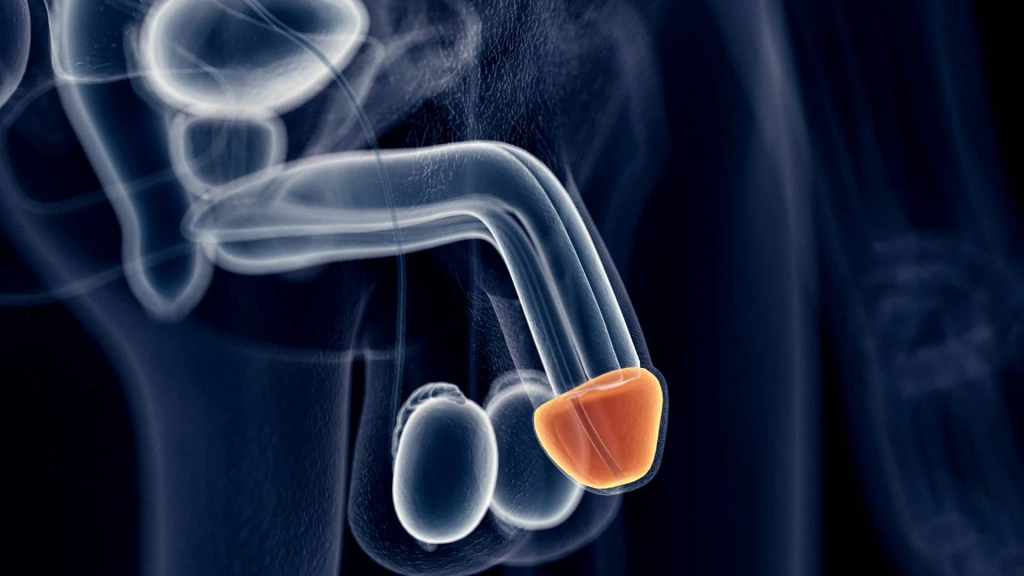
- Differentiating Between Natural Erections and Prosthesis: In a healthy individual, both the shaft and the glans of the penis experience swelling during an erection. However, this is not the case with a prosthesis. While the prosthesis can effectively induce shaft hardness and swelling, it does not replicate the swelling typically observed in the glans during a natural erection.
- Importance of Managing Expectations: Understanding the differences between natural erections and the effects of a prosthesis is crucial for managing expectations following phalloprosthetic surgery. While the prosthesis can provide functional benefits and support sexual activity, it is essential to recognize that there may be variations from the natural physiological responses.
- Conclusion: The prosthesis effectively fills the internal space, leading to shaft hardening and swelling. However, it is important to note that while a prosthesis can induce these effects, it does not replicate the swelling typically observed in the glans during a natural erection. Managing expectations is key to achieving overall satisfaction and understanding the unique characteristics of a phalloprosthetic device.
To compensate for that, you can:

The Role of Sildenafil-based Drugs with Prosthesis Implantation
Introduction: Sildenafil-based drugs, such as Viagra, are commonly used to enhance erectile function. Understanding the role of these medications when used in conjunction with a prosthesis implantation is important for individuals seeking optimal results.
Benefits of Taking Sildenafil-based Drugs:
- Enhanced Erectile Function:
- Sildenafil-based drugs work by increasing blood flow to the penis, improving the ability to achieve and maintain an erection.
- Using these medications alongside a prosthesis can help enhance erectile function, ensuring satisfactory sexual experiences.
- Improved Prosthesis Performance:
- When taken concurrently, sildenafil-based drugs can complement the effects of the prosthesis, maximizing its efficacy.
- By promoting optimal blood flow and engorgement of penile tissues, these medications can contribute to better overall performance of the prosthesis.
Considerations and Consultation:
- It is crucial to consult with a healthcare professional to determine the appropriate dosage and timing of sildenafil-based drugs in relation to the prosthesis.
- Following their guidance will ensure effective and safe usage, tailored to individual needs and health considerations.
Conclusions:
It is possible to predict the penis size that will be achieved after prosthesis implantation through the use of penile MRI. This imaging technique can provide valuable information to individuals considering this surgery, allowing them to have a clearer idea of the outcome they can expect.
INFORMATION
Examining Studies on Penile Length Alterations Following Prosthesis Surgery.
Study: Penile Length Alterations Following Penile Prosthesis Surgery
Published in European Urology 51 (2007), this study aimed to assess penile length alterations in men undergoing penile prosthesis surgery. Key findings include:
Measurement and Assessment:
- Penile length was measured three times for each participant: prior to the prosthesis implantation surgery, and at 1 and 6 months after the surgery.
- Despite 70% of men reporting a decrease in penile length subjectively, the objective measurements did not confirm their perceptions.
Study: Penile Length Preservation after Implant Surgery
Published in BJU Int Andrology in 2019, this study examined the preservation of penile length after implant surgery. Significant details include:
Participant Enrollment and Measurements:
- The study involved 133 men who underwent implant surgery.
- Measurements of the distended penis were taken before the surgery and immediately after, with the prosthesis activated.
Results and Conclusions:
- The results showed no reduction in penis size, both in terms of length and girth, after implant surgery.
- These findings support the notion that the surgical procedure itself and the presence of a prosthesis have no direct impact on penile size.
Key Takeaways:
- Subjective perceptions of penile length reduction do not align with objective measurements following prosthesis surgery.
- The studies suggest that the operation and the presence of a prosthesis do not influence penile size directly.
- Proper assessment and understanding of the results can help manage patient expectations and provide accurate information regarding penile length preservation.
Conclusion: The aforementioned studies present valuable insights into penile length alterations following prosthesis surgery. Objective measurements indicate no reduction in penile size, contradicting subjective perceptions of men reporting a decrease. These findings suggest that the surgical procedure and the presence of a prosthesis do not have a direct impact on penile size.