Retention and increased potency after AGE 50
Impotence
This condition refers to the inability to achieve and sustain an erection. It may be consistent (always present) or sporadic (occasional). In medical parlance, this issue is termed erectile dysfunction.
Increasing potency after 50 years of age is a good thing, but first, it is worthwhile to deal with the work of the cardiovascular system. Read further how erectile dysfunction and atherosclerosis are related and what three steps of treatment exist in modern medicine.
In this article, we will talk about erectile problems that have arisen inexplicably and “by themselves” after the age of 50. If impotence has arisen after treatment of oncologic disease or removal of the prostate, then read this text.
Important
From time to time, erections can be lost or insufficient in any healthy man. Erectile dysfunction (impotence) is typically diagnosed when the issue becomes persistent and lasts for more than three months.
Impotence and Age
Statistical Correlation
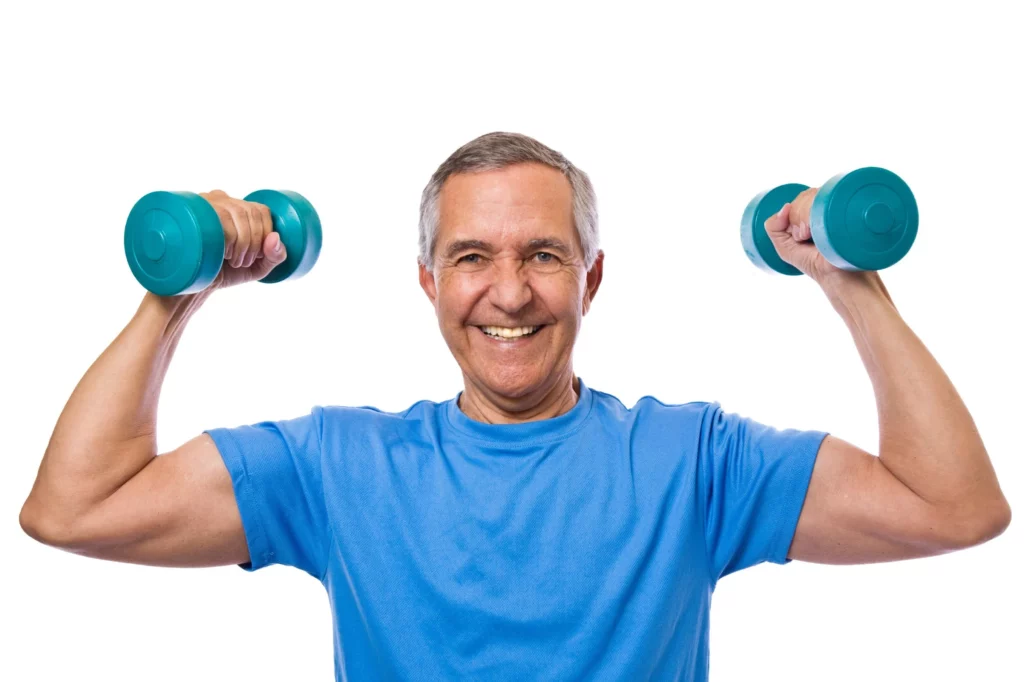
- Impotence is commonly associated with age, exhibiting a direct relationship.
- As men grow older, the likelihood of experiencing erectile issues increases.
Age-Related Onset
- Erectile problems frequently surface around the age of 50 or 60.
- The accumulation of chronic diseases with age often leads to impotence becoming a manifestation or complication of these underlying health conditions.
Prevalence by Age 70
- By the age of 70, approximately 50% of men encounter persistent erectile problems.
Cardiovascular Health and Impotence
Prevalent Cause of Impotence
- The leading cause of impotence is cardiovascular disease, with atherosclerosis accounting for 50% of cases.
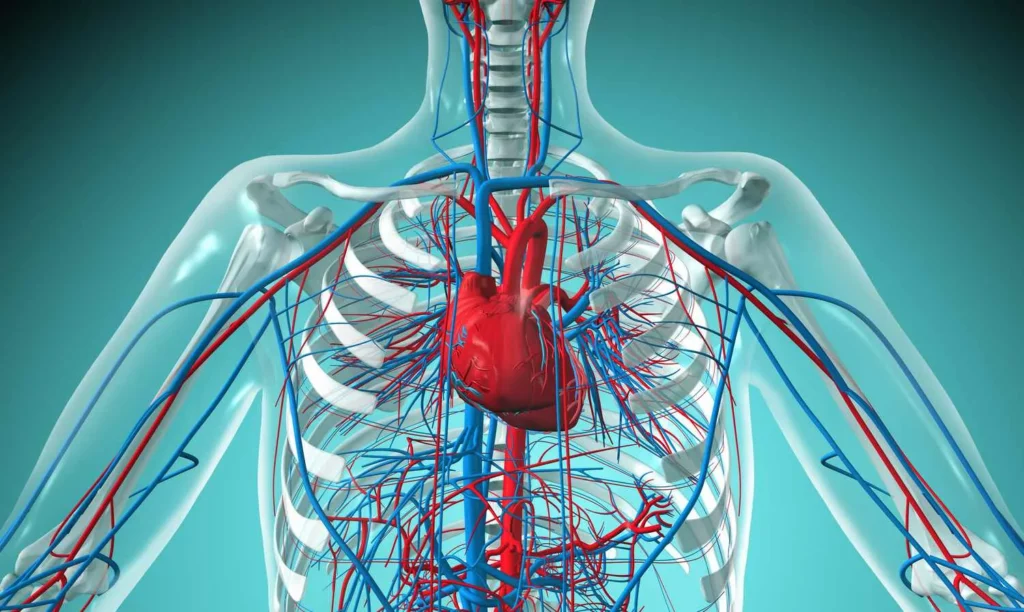
- As individuals age, arterial walls lose elasticity, affecting blood circulation crucial for the erection mechanism.
Significance of Erection Problems
- Erectile issues serve as a vital symptom signaling the need to assess heart and vascular health.
- Diseases of the circulatory system remain a long-standing leading cause of mortality in the Russian Federation.
Timely Detection and Management
- Detecting atherosclerosis promptly allows for its management and correction to reduce symptoms.
- Seeking evaluation, whether by a general practitioner or urologist, is crucial for men over 50 experiencing weakened erections.
Comprehensive Evaluation for Impotence
Impotence after 50 can stem from various factors beyond cardiovascular conditions, including:
- Obesity
- Diabetes mellitus
- Parkinson’s disease
- Peyronie’s disease
- Multiple sclerosis
- Psychological factors such as anxiety, depression, relationship issues, stress, and sleep disorders.
Atherosclerosis as a Key Factor
- Atherosclerosis stands as the primary cause of erectile problems, highlighting the critical role of healthy blood flow.
- An individual’s ability to achieve and maintain erections hinges on adequate blood flow, emphasizing the importance of cardiovascular health.
Factors Affecting Blood Flow in the Penis
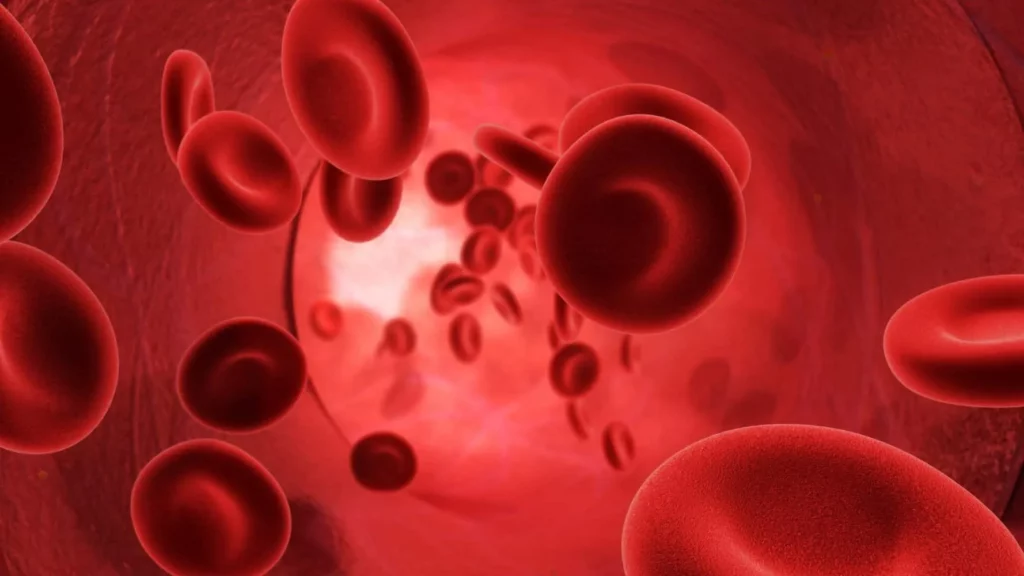
What Can Impair Blood Flow in the Penis?
- Smoking
- Alcohol consumption
- High blood sugar (diabetes)
- High cholesterol levels
- High blood pressure
- Cardiovascular disease
- Overweight or obesity
- Sedentary lifestyle
- Unbalanced diet (lacking in fruits and vegetables)
Assessment
Consider how many of these factors are currently impacting your blood flow and erectile function. Prioritizing a healthy lifestyle can support proper blood flow and improve erections.
Understanding Reversible and Irreversible Impotence
Reversible Impotence Causes
- Impotence can be reversible or irreversible, depending on the underlying cause.
- Impotence due to psychological issues, obesity, or a sedentary lifestyle is often reversible.о
Irreversible Impotence Causes
- Impotence caused by conditions such as diabetes, atherosclerosis, Parkinson’s, or Peyronie’s disease may be irreversible due to organic damage to tissues, nerves, and blood vessels.
Treatment Possibilities
- Pills or injections may temporarily induce erections for irreversible impotence, but long-term efficacy may diminish.
- Timely diagnosis and treatment of the underlying disease remain crucial for managing irreversible impotence.
Impact of Atherosclerosis
- Treatment for atherosclerosis can restore erection function; otherwise, medications may be necessary to facilitate erections, based on the disease’s progression and overall health status of the patient.
Role of Psychological Factors
- Reversible impotence related to psychological issues can often be addressed without medication.
- Physical and psychological relaxation techniques, along with professional assistance from a psychologist, psychotherapist, or sexologist, can effectively manage impotence linked to psychological challenges.
Rehabilitation Strategy for Erectile Dysfunction Post-Prostatectomy
Importance of Regular Blood Flow
- The primary goal of rehabilitation post-prostatectomy is to maintain consistent blood flow to the penile tissues.
- Adequate blood circulation is vital for penile health and erectile function post-surgery.
Significance of Rehabilitation
- The anatomy and physiology of the penis require regular activity to sustain tissue health.
- Absence of regular erections can lead to penile tissue atrophy, resulting in permanent loss of erectile function and a significant reduction in size.
Deterioration Without Erections
- Research suggests that without erections, the penis may reduce in size by up to 9% over a span of 4-8 months.
- This emphasizes the critical role of rehabilitation in preserving penile health and function post-prostatectomy.
Conclusion
The necessity of rehabilitation in maintaining penile health and erectile function after prostatectomy cannot be understated. Regular blood flow and activity are essential to prevent tissue atrophy, loss of erectile function, and size reduction. Engaging in a comprehensive rehabilitation strategy is crucial for optimizing outcomes and promoting long-term penile health and function.
Causes of Irreversible Impotence
- Diabetes mellitus
- Atherosclerosis
- Parkinson’s disease
- Peyronie’s disease.
- The reversibility of irreversible impotence depends on the stage and aggressiveness of the disease.
Causes of Reversible Impotence
- Psychological problems
- Sedentary lifestyle
- Obesity
Benefits of Psychological Support for Stress Management
Professional Assistance:
Consulting with a psychologist is beneficial for individuals experiencing daily high levels of work-related stress.
Stress Management Strategies:
A psychologist can assist in identifying more suitable reactions to stress and implementing strategies to mitigate its adverse effects on physical and mental health.
Enhanced Coping Mechanisms:
Through therapy and counseling, individuals can develop effective coping mechanisms that improve their resilience and overall well-being.
Holistic Well-being:
Psychological support aids in fostering a healthier response to stress, contributing to enhanced emotional and physical well-being in challenging work environments.
Stepwise Approach in the Treatment of Impotence
- Pills (PDE₅ Inhibitors): Utilize medications like PDE₅ inhibitors in the initial stage of impotence treatment.
- Penile Injections: Consider penile injections if pills are unsuccessful in producing the desired response.
- Prosthetics: Proceed to prosthetic options if previous methods prove ineffective in restoring erectile function.
Sequential Treatment Strategy
- The stepwise approach involves applying methods in increasing order of aggressiveness.
- Use a specific method as long as it remains effective; switch to the next treatment option when the current one ceases to yield results.
Maintaining Health for Healthy Aging
Focus on preserving overall health, embracing disease prevention, and nurturing healthy relationships to support a vibrant sex life beyond 50 years of age.
Addressing Cardiovascular Health
Prioritize cardiovascular health as a foundational step before considering other aspects of erectile dysfunction treatment.
Exploring Erectile Dysfunction and Atherosclerosis
Learn more about the connection between erectile dysfunction and atherosclerosis and the three-step treatment regimen available in modern medicine.
Managing Post-50 Erectile Issues
This article delves into overcoming erectile challenges that surface post-50, particularly when impotence follows oncologic treatment or prostate removal.