Restoration of potency after prostatectomy
Sex life after prostate removal
Prostatectomy is an operation to remove the prostate, after which a man’s body typically recovers within 5-7 weeks, but not entirely. The recovery of urinary function may take several months, and the restoration of erections can take up to 2 years. On this page, we will discuss techniques to improve the likelihood of restoring erectile function and explore the current methods available.
For many, impotence is temporary
It may take up to 2 years to regain erectile function following prostate removal.
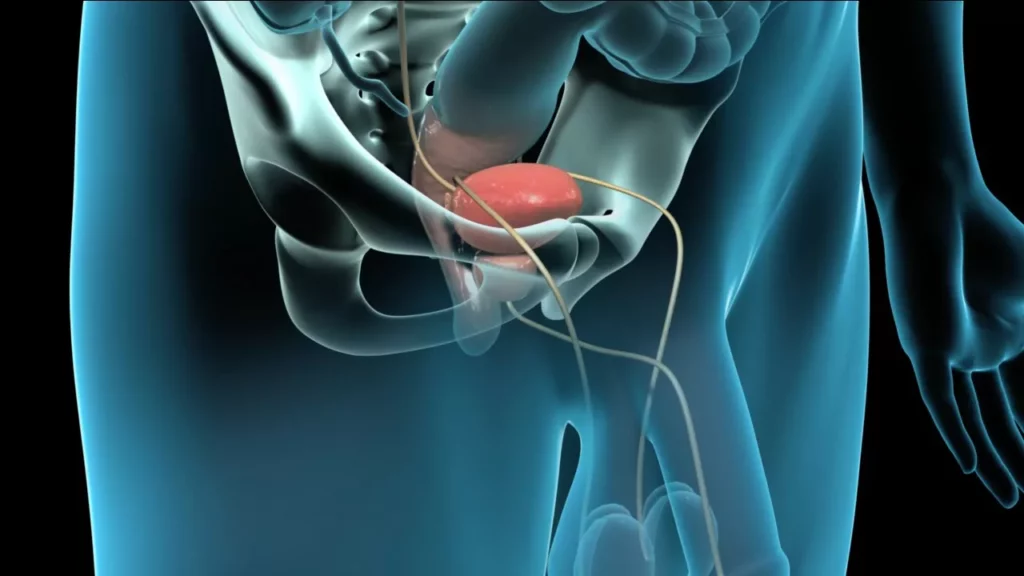
Erectile Challenges Post-Prostatectomy
Effects on Erectile Function
- More than 80% of men face erectile difficulties following prostatectomy, which does not reflect poor surgical outcomes.
- The prostate is encompassed by nerve and vascular bundles vital in the erection process.
Impact of Surgery on Nerves and Vessels:
- In cases involving tumor removal, essential nerves and vessels may need to be excised along with the prostate.
- Often, these critical structures are inadvertently damaged during surgery due to their proximity, leading to stretching, tearing, or cautery.
Recovery Timeline:
- Recovery of these nerves and vessels can be a gradual process, potentially extending up to 2 years following the surgery.
- Despite the challenges, ongoing improvements and restoration of erectile function are possible with time and appropriate interventions.
Conclusion:
Erectile issues following prostatectomy are commonly experienced due to the intricate nature of the surgery and the delicate structures involved. The lengthy recovery period underscores the need for patience and understanding as men navigate postoperative challenges and work towards restoring erectile function over time.
Enhancing Erection Recovery Following Prostatectomy
Nerve-Sparing Prostatectomy
- Nerve-sparing prostatectomy is a surgical technique that aims to preserve the nerves involved in the erection process.
- While this approach increases the likelihood of maintaining erectile function, it does not guarantee successful outcomes.
Recovery Statistics
- Statistically, with nerve-sparing prostatectomy, 40-50% of men regain erectile function within the first year post-surgery.
- An additional 10-15% of men may recover erectile function within the subsequent year.
- In contrast, other surgical techniques yield lower rates of erectile recovery.
Timeline for Erection Recovery
- Following prostatectomy, erectile function often takes time to recover fully.
- Erectile function is typically the last physiological function to return after the surgical procedure.
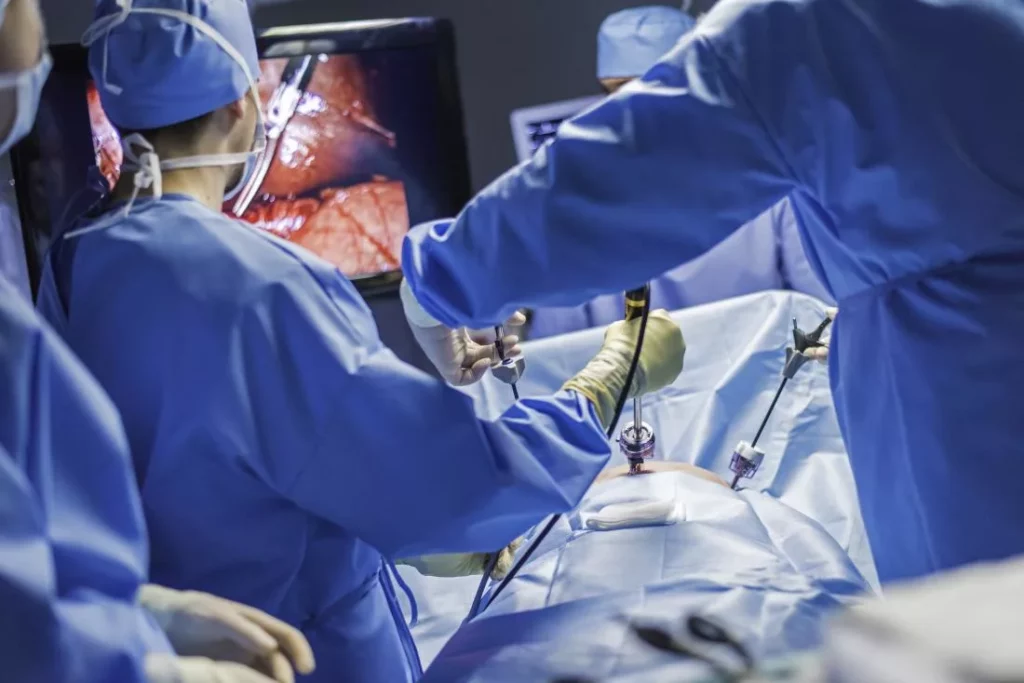
Radical prostatectomy
While the reduction in penile length following radical prostatectomy can be attributed to impaired blood circulation, this case merits separate consideration. Prior to the surgery, the genital system is often affected by a chronic inflammatory process, and the recovery period post-operation is typically lengthy. Consequently, in these cases, the impaired blood circulation in the penis can persist for an extended period, often lasting years. Therefore, over 40% of men who undergo radical prostatectomy experience a decrease in penile size, primarily due to atrophy caused by insufficient blood supply.
Conclusion
Nerve-sparing prostatectomy offers improved prospects for erectile recovery compared to other surgical techniques. While statistical projections suggest varying rates of recovery within the first and second year post-surgery, it is essential to recognize that erectile function may require patience and time to fully restore after prostatectomy.
Factors Affecting Erectile Function Recovery Following Prostatectomy
Age & Physical Condition
- Age and overall health significantly impact erectile function recovery post-prostatectomy.
- Younger, more active, and healthier individuals generally have better prospects of regaining natural erections.
Interplay of Factors
- The interplay of age, health status, lifestyle factors, and pre-existing conditions collectively influences the success of erectile function recovery.
- Adopting a healthy lifestyle, managing chronic diseases, and addressing pre-existing issues can optimize the chances of regaining natural erectile function post-prostatectomy.
Deteriorating Factors for Recovery
- Chronic Diseases: Pre-existing chronic conditions can hinder erectile recovery post-prostatectomy.
- Overweight: Being overweight can diminish the chances of successful erectile function restoration.
- Inactive Lifestyle: Physical inactivity may be detrimental to erectile function recovery.
- Irregular Sex Life: Lack of regular sexual activity can affect the recovery process.
- Prior Erectile Problems: Preexisting erectile issues prior to treatment can reduce the likelihood of successful recovery.
Conclusion
Age, general health status, and various lifestyle factors play a crucial role in determining the success of erectile function recovery following prostatectomy. By prioritizing overall health, addressing chronic conditions, and maintaining a healthy lifestyle, individuals can enhance their chances of regaining natural erectile function after treatment.
Empowering Approach to Erectile Dysfunction Treatment
Avoiding Passive Strategies
- Simply sitting and waiting is considered the least effective approach to addressing erectile dysfunction.
- Inactivity and passivity may hinder progress in managing and overcoming erectile issues.
Individualized Treatment Options
- There is no universal treatment regimen for erectile dysfunction that guarantees success for all individuals.
- Instead, an individualized treatment strategy provides a range of options tailored to specific conditions, recovery periods, and responses to treatment
Adaptive Treatment Approach
- A dynamic treatment approach offers flexibility and customization based on individual needs and responses.
- By adapting treatment modalities to unique circumstances and progress, individuals can optimize their outcomes and enhance their chances of successful erectile function restoration.
Conclusion
Taking an active and personalized approach to erectile dysfunction treatment yields better outcomes than a passive and generalized strategy. By engaging with adaptive treatment options that consider individual factors and responses, individuals can enhance the effectiveness of their treatment and achieve improved erectile function outcomes.
Rehabilitation Strategy for Erectile Dysfunction Post-Prostatectomy
Importance of Regular Blood Flow
- The primary goal of rehabilitation post-prostatectomy is to maintain consistent blood flow to the penile tissues.
- Adequate blood circulation is vital for penile health and erectile function post-surgery.
Significance of Rehabilitation
- The anatomy and physiology of the penis require regular activity to sustain tissue health.
- Absence of regular erections can lead to penile tissue atrophy, resulting in permanent loss of erectile function and a significant reduction in size.
Deterioration Without Erections
- Research suggests that without erections, the penis may reduce in size by up to 9% over a span of 4-8 months.
- This emphasizes the critical role of rehabilitation in preserving penile health and function post-prostatectomy.
Conclusion
The necessity of rehabilitation in maintaining penile health and erectile function after prostatectomy cannot be understated. Regular blood flow and activity are essential to prevent tissue atrophy, loss of erectile function, and size reduction. Engaging in a comprehensive rehabilitation strategy is crucial for optimizing outcomes and promoting long-term penile health and function.
Strategies for Achieving Erection Without Natural Response
Utilizing Treatment Modalities
- To stimulate an erection when natural response is absent, a progression of treatment options including pills, injections, and phalloprosthesis is commonly employed.
- Sequential treatment involves starting with pills and transitioning to injections if the desired response is not achieved.
Supplementing with Vacuum Pump
- In conjunction with pills and injections, the use of a vacuum pump can enhance the effectiveness of erectile stimulation.
- It is advisable not to solely rely on vacuum pumps due to the potential of filling the penis with venous blood, which may impede oxygen supply and fail to sustain penile tissue size and integrity.
Role of Phalloprosthesis
- Phalloprosthesis serves as a therapeutic option when conservative methods no longer yield satisfactory results.
- This advanced intervention is recommended when traditional treatments are ineffective in achieving desired erectile responses.
Conclusion
A strategic approach involving pills, injections, and potentially phalloprosthesis can be employed to attain an erection in situations where natural responses are lacking. Supplementing with a vacuum pump should be done judiciously to avoid potential limitations. Phalloprosthesis represents an advanced intervention reserved for cases where conservative treatments fall short in achieving successful erectile stimulation.
Utilizing Oral Medications for Erectile Dysfunction Post-Prostatectomy
Types of Medications
- Medications such as Sildenafil (Viagra), Tadalafil (Cialis), and Vardenafil (Levitra) are commonly prescribed to address erectile dysfunction.
- These oral medications aim to facilitate the restoration of erectile function post-surgery.
Treatment Guidelines
- Commencing medication consumption is recommended after full recovery from postoperative wounds, typically around 3-4 weeks post-surgery.
- The specific medication and dosage are determined by a healthcare provider based on individual medical history and underlying conditions.
Dosage Consistency
- Although daily intake is not mandatory, maintaining regularity in medication usage, such as 3-4 times a week, is advisable.
- Establishing and adhering to a consistent dosage regimen is essential for optimal treatment outcomes.
Response and Duration
- Initial attempts with the medications may not yield immediate results, requiring multiple trials before effectiveness is observed, which is a common occurrence.
- Medication intake is continued until natural erections are restored and as long as the body responds positively to the treatment.
Onset of Action
- The time frame for medication to induce an erection typically ranges from 20-30 minutes post-administration, allowing for timely response to stimulation.
Consideration of Cost
- The approximate annual cost for medications such as Viagra, taken 3 times a week, may amount to 60,000 rubles.
Conclusion
Utilizing oral medications post-prostatectomy is a common therapeutic approach to address erectile dysfunction. Following treatment guidelines, establishing consistency in dosage intake, understanding the possible response outcomes, and accounting for the associated costs are essential considerations for individuals undergoing postoperative rehabilitation for erectile function restoration.
Utilizing Injection Therapy for Erectile Dysfunction Post-Prostatectomy
Injections as Treatment Option
- Caverject injections are employed when oral medication treatments prove ineffective in addressing erectile dysfunction post-prostatectomy.
Procedure and Side Effects
- Administering the injection involves using a needle and syringe, though the needle used is typically very small.
- Side effects such as pain during injection and soreness at the injection site may be experienced with this delivery method.
Self-Administered Injections
- Men can self-administer injections after being trained by a healthcare provider.
- The doctor determines the appropriate drug and dosage, demonstrates the injection technique, and guides the patient through the first administration.
- Subsequently, patients can perform the injections at home, ensuring compliance with hygiene practices and proper injection techniques.
Maintaining Sexual Freedom
- Injection therapy provides men with the flexibility to engage in sexual activity similar to that with oral medications.
- The ability to self-administer injections enables men to engage in sexual activities promptly when the need arises.
Onset of Effect
- The time frame from injection to achieving an erection typically ranges between 20-30 minutes.
Cost Consideration
- The estimated annual cost associated with injections, such as Caverject, taken three times a week, can amount to approximately 180,000 rubles.
Conclusion
Injections serve as an effective alternative treatment option for individuals experiencing erectile dysfunction post-prostatectomy. Understanding the administration process, potential side effects, self-injection protocol, and cost considerations is imperative for individuals opting for injection therapy to regain erectile function and enhance their sexual well-being.
Surgical Treatment with Penile Prosthesis Installation
Procedure Overview
- Penile prosthesis installation is a surgical method used when oral medications and injections have proven ineffective in treating erectile dysfunction.
- The procedure typically lasts for an hour, with recovery expected to take approximately 6 weeks post-surgery.
- The operation can be conducted within one year following a prostatectomy, under the guidance and prescription of a physician.
Benefits of Penile Prosthesis
- Provides guaranteed and controllable erections at any time, offering a reliable solution for erectile issues.
- Penile prosthesis implants come in semi-rigid and inflatable variants, each with distinct modes of operation and effects.
Erection Activation Time
- Following prosthesis activation, an erection can be achieved in a brief period ranging from 5 to 30 seconds.
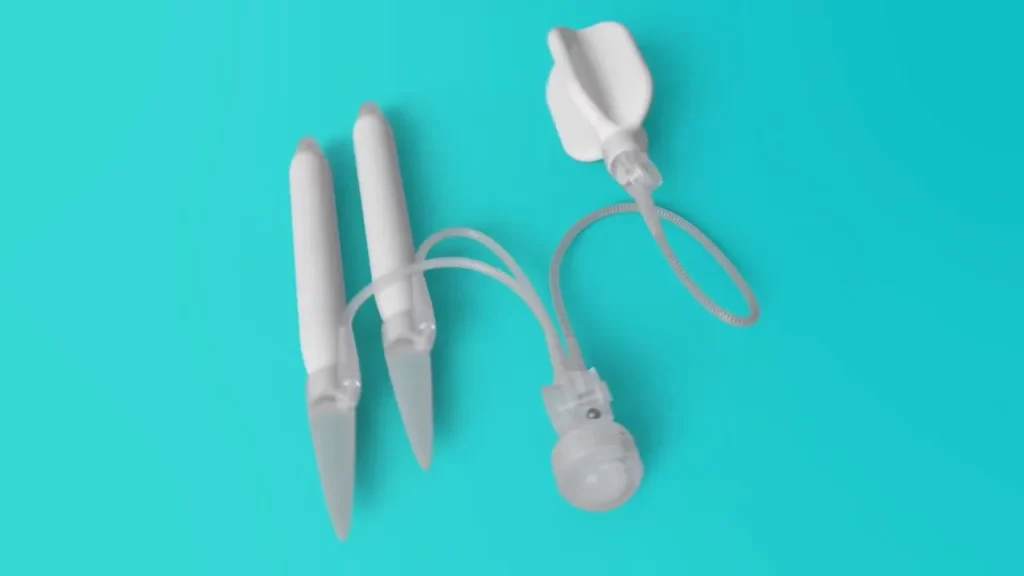
Cost and Warranty
- The estimated cost for phalloprosthetics surgery, with a lifetime warranty on the prosthesis, is approximately 315,000 rubles.
Erectile Recovery Rates
- Natural erection restoration rates post-conventional prostatectomy range from 20-50%, while nerve-sparing procedures demonstrate higher restoration rates of 40-65%.
Additional Information
- For more detailed insights on phalloprosthetics and its implications, further information is available for exploration.
- Delve deeper into the procedure and outcomes associated with penile prosthesis installation for a comprehensive understanding of its potential benefits.
Conclusions
Impacts of Prostatectomy on Erection Mechanism
- Damage to the erection mechanism is commonplace following prostatectomy due to the intricate network of nerve endings surrounding the prostate.
- Temporary impotence is a common occurrence post-surgery, with recovery of erectile function possible within a span of 2 years for many individuals.
- Diligent attention to rehabilitation is essential to facilitate successful recovery of erectile function post-prostatectomy.
Analogous Nature of Recovery Process
- Equate prostatectomy rehabilitation to recuperating from a significant injury where consistent exercise and intervention are pivotal for achieving optimal outcomes.
- Maintaining regular blood flow to the penis enhances the preservation of cavernous bodies and the rigidity of future erections upon recovery.
Erection Activation Time
- Following prosthesis activation, an erection can be achieved in a brief period ranging from 5 to 30 seconds.
Critical Time Frame for Rehabilitation
- The initial 8 months post-prostatectomy represent a crucial phase for preserving penis size and achieving normal tissue function.
- Sustaining the utilization of pills and injections as long as they remain effective is encouraged during the rehabilitation journey.
Persistence and Holistic Approach
- Recognize that recovery of erectile function is gradual, with erections often being the last body function to return after prostatectomy.
- Sustaining rehabilitation efforts, prioritizing a balanced diet, managing weight, and engaging in physical fitness are vital strategies to bolster the chances of restoring natural erections.
- Committing to a comprehensive regimen boosts the likelihood of returning to natural erectile function and expedites recovery should penile prosthesis surgery become necessary.