Weak erection
Factors contributing to Weak Erection
In medicine, a weak erection is known as erectile dysfunction. Erection depends on various factors such as age, general health, hormone levels, nerve fiber conduction, blood flow, mental state, and emotions. A weak erection may occur due to the influence of one or more of these factors. For example, severe stress can change the hormonal balance or worsen the blood flow to the penis.
If a weak erection occurs after cancer treatment or prostate removal, it is important to seek medical advice. This text may provide useful information on potential causes and treatment options for weak erections in such cases.

Causes of Weak Erection
- Age
- General health
- Hormone levels
- Nerve fiber conduction
- Blood flow
- Mental state
- Emotions
Impotence and Age
Statistical Correlation
- Impotence is commonly associated with age, exhibiting a direct relationship.
- As men grow older, the likelihood of experiencing erectile issues increases.
Age-Related Onset
- Erectile problems frequently surface around the age of 50 or 60.
- The accumulation of chronic diseases with age often leads to impotence becoming a manifestation or complication of these underlying health conditions.
Prevalence by Age 70
- By the age of 70, approximately 50% of men encounter persistent erectile problems.
Seeking Help for Weak Erections
If weak erections are a concern, the following steps are necessary:
Consultation with a urologist or andrologist Consultation with a cardiologist Blood tests or additional tests (if necessary).
Treatment Options for Weak Erection
The main methods of treating weak erections include:
Control of the underlying disease (atherosclerosis, diabetes, etc.) Physiotherapy – Dr. Menshchikov’s methodology Taking sildenafil-based pills (VIAGRA, etc.) while they are effective Injections into the penis, if the pills stopped working Phalloprosthetics when conservative treatment does not work.
Causes of Weak Erections
- The likelihood of experiencing weak erections increases with age. While age is a contributing factor, it is not the sole cause. Diseases that tend to develop with age, such as atherosclerosis, can lead to erectile dysfunction.
Impact of Weak Erections
- Having occasional erection problems is common among men and may not be a cause for concern. However, persistent erectile dysfunction (ED) can be challenging. It can lead to stress, affect self-confidence, and create relationship issues.
Signs of Underlying Medical Condition
- Persistent difficulty achieving or maintaining an erection indicates an underlying medical issue that requires treatment.
Statistics and Facts
- A 2013 study published in The Journal of Sexual Medicine revealed that one in four patients seeking treatment for erectile dysfunction is under the age of 40.
Seeking Help
- If weak erections persist and cause distress, it is crucial to seek medical advice. Delaying treatment can lead to further complications. Talking to your doctor, even if it feels uncomfortable, is essential. Timely intervention is important to maintain penile tissue health.
Seeking Medical Advice for Erectile Dysfunction
Exploring Testosterone Treatment
- Many men inquire about testosterone treatment for weak erections. While a decrease in testosterone levels and erectile dysfunction may coincide, one does not necessarily cause the other. Testosterone, the male sex hormone, has an unclear impact on the erection mechanism.
Considerations for Treatment
- If there are no additional signs and symptoms indicating low testosterone levels, testosterone treatment may not be the first choice for addressing erectile dysfunction. Other potential causes of ED should be evaluated. It is worth noting that while testosterone levels in men typically decrease after the age of 50, this change is not always the direct cause of ED.
Signs of Hormonal Imbalance
- A significant drop in testosterone levels and the resulting hormonal imbalance can lead to the loss of an erection, among other effects. However, this alone is not always the primary symptom of such a condition. Research suggests that many men facing age-related testosterone decline do not encounter erection problems.
When experiencing the following issues persistently, it is advisable to see a doctor
- Erection problems (weak erections)
- Problems maintaining an erection
- Reduced sexual desire
Common Causes of Erectile Dysfunction
When experiencing erectile dysfunction, consider these conditions and diseases that can contribute to the issue
- Atherosclerosis (blockage of blood vessels)
- Type 2 diabetes
- Heart disease
- Obesity
- Benign enlargement of the prostate gland
- Hyperlipidemia (high lipid or cholesterol levels)
- Hypertension (high blood pressure)
- Chronic kidney disease
- Liver disease
- Parkinson’s disease
- Sleep disorders
- Low testosterone
- Trauma to the penis, prostate, or spinal cord
- Multiple sclerosis
- Peyronie’s disease (scar tissue under the skin of the penis)
- Prostate cancer
- Radiation therapy
- Removal of the prostate gland
- Bladder cancer surgery
- Venous leakage
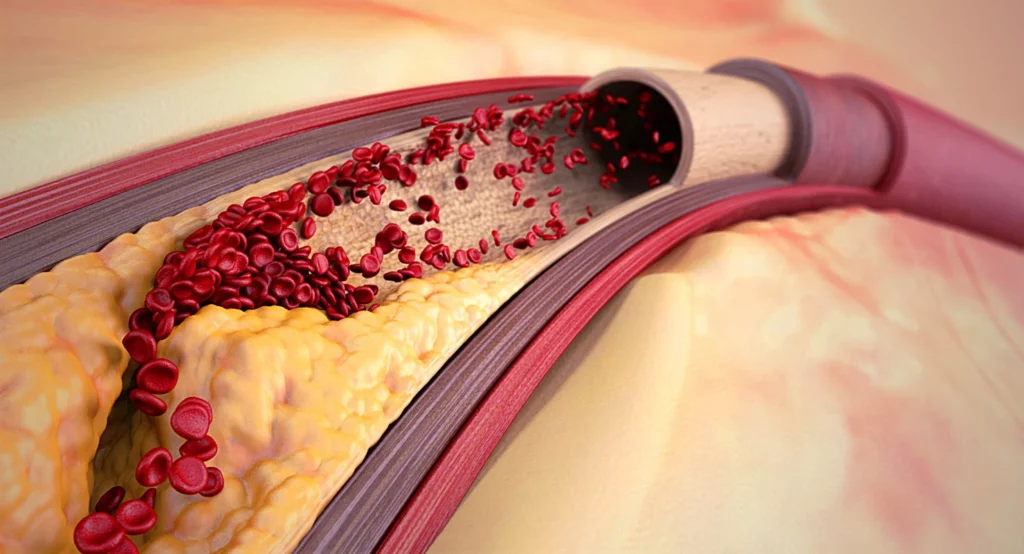
Atherosclerosis: The Leading Cause of Erectile Problems
It is important to note that atherosclerosis is recognized as the primary cause of erectile issues.
Medications and Lifestyle Factors Impacting Erectile Dysfunction
Effects of Medications
- Some medications may result in erectile dysfunction as a side effect. It is advised to carefully review the “Side Effects” section in the medication instructions. If erectile dysfunction and decreased libido are listed, inform the prescribing doctor about your condition. They may be able to suggest alternatives. If substitution or discontinuation of the medication is not possible, consider exploring other treatments for erectile dysfunction.
In addition to medications, certain lifestyle habits can also contribute to erectile dysfunction
- Smoking
- Heavy alcohol consumption
- Recreational drug use
The following medications are known to potentially lead to weak erections
- Antihypertensive drugs (medications for blood pressure management)
- Antiandrogens (prescribed for prostate cancer treatment)
- Antidepressants (medications for depression)
- Sedatives (used to induce sleep)
- Ulcer medications
- Antihistamines (commonly used for colds and allergies)
- Appetite suppressants
Treatment for Erectile Dysfunction
Medication Options
Medications in the form of pills are a common treatment method for erectile dysfunction. These drugs stimulate blood flow to the penis, resulting in a strong erection. Examples of medications for weak erections include:
- Sildenafil
- Tadalafil
- Vardenafil
- Avanafil
However, individuals diagnosed with heart disease or experiencing frequent blood pressure fluctuations should avoid these medications. It is crucial to consult a doctor before taking them if you have these health conditions.
Other Medications
Additional medications for treating erectile dysfunction include:
- Alprostadil injectable (injections)
- Alprostadil urethral suppository (inserted into the urethra)
- Testosterone replacement therapy (when indicated)
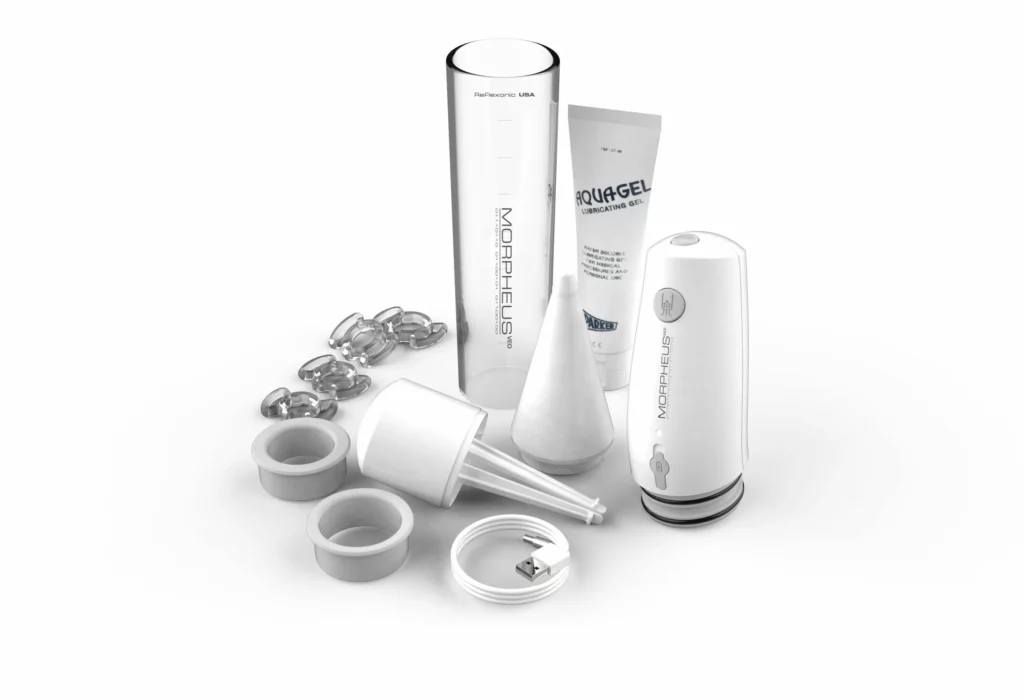
Vacuum Pumps
Vacuum pumps are devices designed to help with erectile dysfunction. These pumps consist of hollow tubes that are placed on the penis to create a vacuum effect, enhancing blood flow and producing a strong erection during sexual activity.
Exercise
Engaging in moderate to vigorous cardiovascular exercises can be beneficial for improving erectile dysfunction. It is advisable to consult your doctor to determine the most suitable exercise regimen for your specific needs.
Phalloprosthetics:
An Advanced Solution for Weak Erections
Overview of Penile Implants
Phalloprosthetics is a cutting-edge treatment for erectile dysfunction involving the insertion of penile implants. These devices are implanted within the penis to address erection issues.
Types of Implants
Penile implants can be classified as either rigid or hydraulic. Hydraulic implants are designed to mimic the natural erection mechanism, ensuring the preservation of sensations and orgasms. The cost of this treatment typically starts at 315,000 rubles.
Benefits of Phalloprosthesis
Phalloprosthetics offers a long-term solution for erectile dysfunction, resolving the issue permanently. However, this approach is typically considered after other treatment methods have been exhausted.

Pros:
- Achieving maximally rigid erections
- No time constraints on erections
- Ability to have erections at any time
- Preservation of male orgasm
- Maintenance of sensitivity
- Lifetime warranty on certain models (such as Coloplast)
Cons:
- High treatment cost
- Potential risk of mechanical failures requiring additional surgery
Despite the disadvantages, the benefits of phalloprosthetics can provide a lasting solution for individuals struggling with erectile dysfunction.
Preventing Erectile Dysfunction
To prevent erectile dysfunction, it is essential to maintain a healthy lifestyle and effectively manage existing medical conditions. Consider the following strategies:
- Collaborate with your doctor to address conditions like diabetes, heart disease, and other chronic illnesses effectively.
- Schedule regular checkups and medical screenings with your healthcare provider.
- Refrain from smoking, minimize alcohol consumption, and avoid recreational drug use.
- Engage in consistent physical activity to improve overall health.
- Employ stress-management techniques and address emotional well-being.
- Seek professional assistance for anxiety, depression, or any other mental health concerns.
By incorporating these practices into your daily routine, you can proactively reduce the risk of developing erectile dysfunction and maintain overall well-being.
Conclusions
Episodic vs. Permanent Weak Erections
- Weak erections can manifest as episodic or chronic issues.
- Occasional weak erections are typically considered within the normal range and may result from factors like stress, health conditions, or hormonal imbalances.
- Persistent weak erections that hinder one’s ability to achieve or maintain a firm erection warrant medical attention and potential treatment.
Importance of Timely Intervention
- Seeking medical help early increases the likelihood of successful treatment outcomes.
- Inadequate blood flow to the penile tissues, due to infrequent erections, can lead to nutrient deprivation and tissue damage, potentially resulting in penile size reduction.
Underlying Causes and Treatment
- Weak erections are often linked to systemic health conditions such as atherosclerosis, diabetes, Parkinson’s Disease, Peyronie’s Disease, among others.
- Treatment of the root cause may resolve erectile dysfunction, or complementary medications may be prescribed for erection stimulation.
- In cases where traditional medications are ineffective, penile prosthetics could be considered.
- Psychological factors can also contribute to erection weakness, necessitating the involvement of a psychologist, sexologist, or psychotherapist.
By addressing weak erections promptly and comprehensively, individuals can improve their quality of life and overall sexual health.